Benefits of Early Orthodontic Treatment
Early orthodontic treatment, often recommended around age 7, can help identify and address potential dental issues before they become more complex. By starting treatment early, orthodontists can guide the growth of the jaw and incoming permanent teeth, leading to more effective and less invasive treatment options later on.
For example, early intervention can correct problems like overcrowding, bite issues, and jaw alignment, which can improve overall dental health and reduce the need for extensive procedures in the future. This proactive approach not only enhances the aesthetics of a child's smile but also contributes to better oral hygiene and function.
Understanding Different Types of Braces
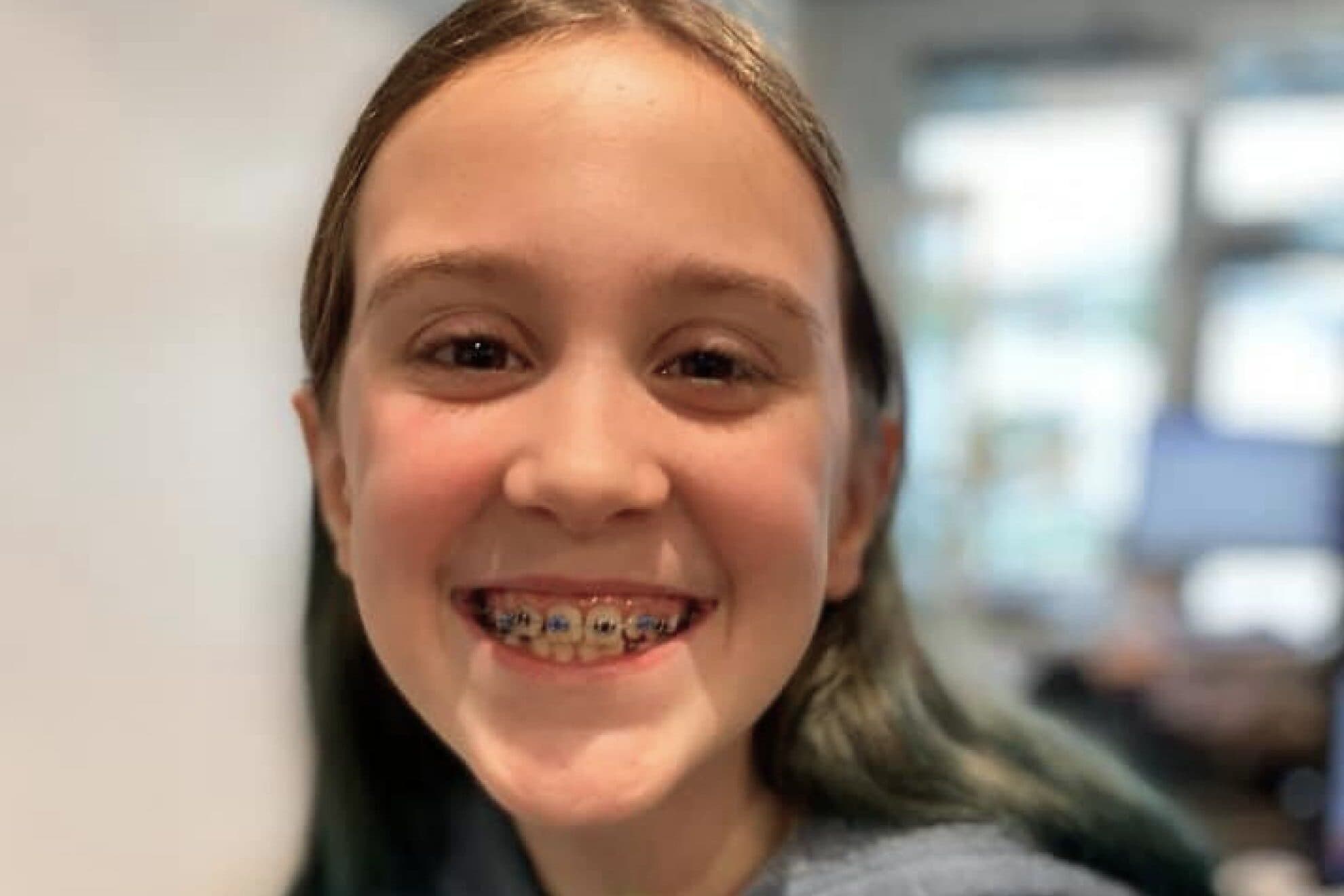
Braces come in various types tailored to meet the needs and preferences of patients. Traditional metal braces are the most common and effective for a wide range of orthodontic issues, while ceramic braces offer a more discreet option as they blend with the natural color of teeth.
Additionally, lingual braces, which are placed on the back of the teeth, provide an invisible solution for those concerned about aesthetics. Each type of braces has its advantages, and the choice often depends on factors like the severity of the orthodontic issue, treatment duration, and personal preference.
Post-Treatment Care for Braces
After completing orthodontic treatment, proper care is crucial to maintain the results achieved. Patients are typically required to wear retainers to prevent teeth from shifting back to their original positions. Following the orthodontist's instructions regarding retainer wear is essential for long-term success.
In addition to wearing retainers, maintaining good oral hygiene practices, such as regular brushing and flossing, is vital to prevent decay and gum disease. Regular follow-up appointments with the orthodontist will also help ensure that the teeth remain in their new positions and that any issues are addressed promptly.
Innovative Technology in Orthodontics
Advancements in technology have significantly improved the field of orthodontics, enhancing both treatment effectiveness and patient experience. Tools like 3D imaging and digital scanning allow for precise treatment planning and customized braces that fit comfortably and efficiently.
Moreover, innovations such as accelerated orthodontics enable faster treatment times, allowing patients to achieve their desired results in a shorter period. These technological advancements not only improve the efficiency of the treatment process but also enhance the overall patient experience by providing more comfortable and effective solutions.